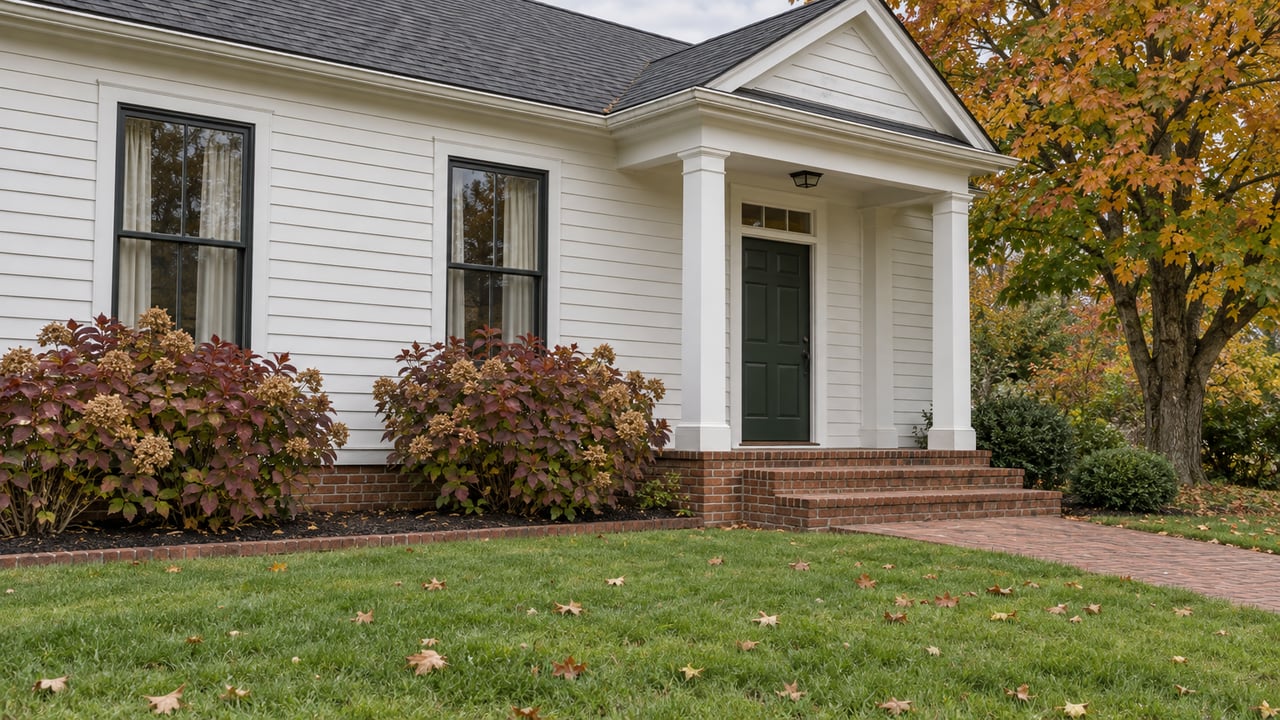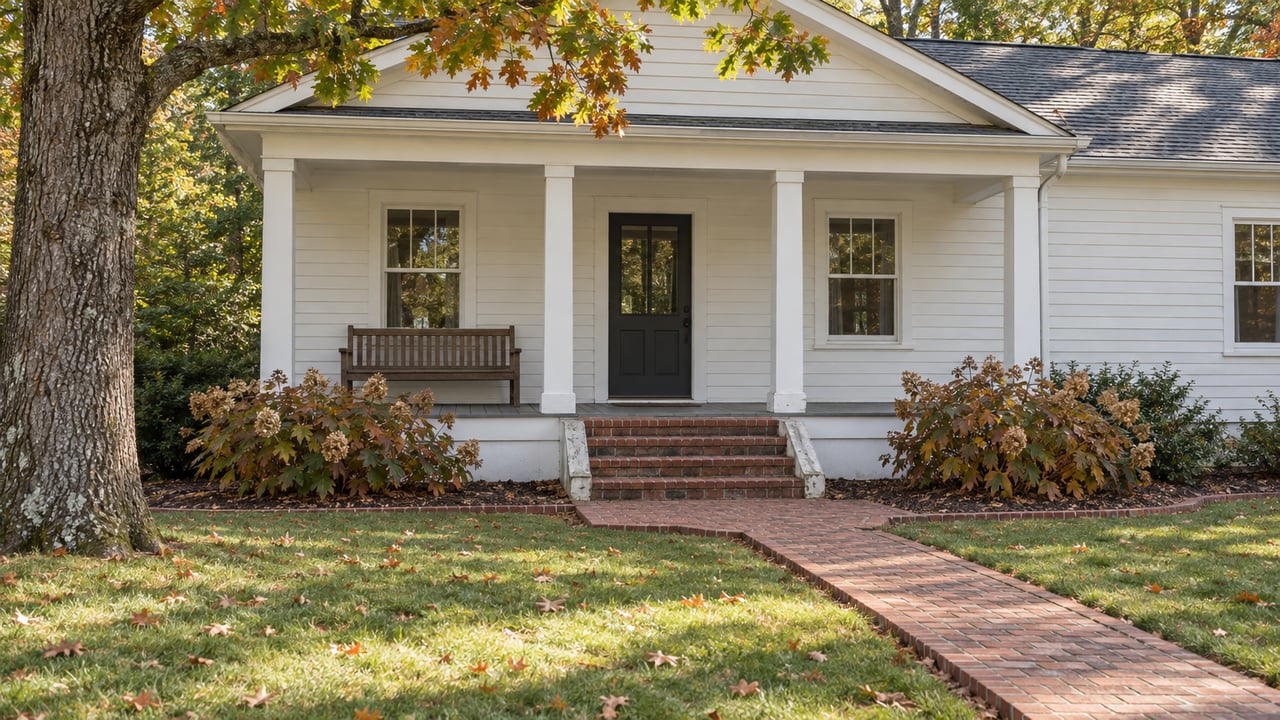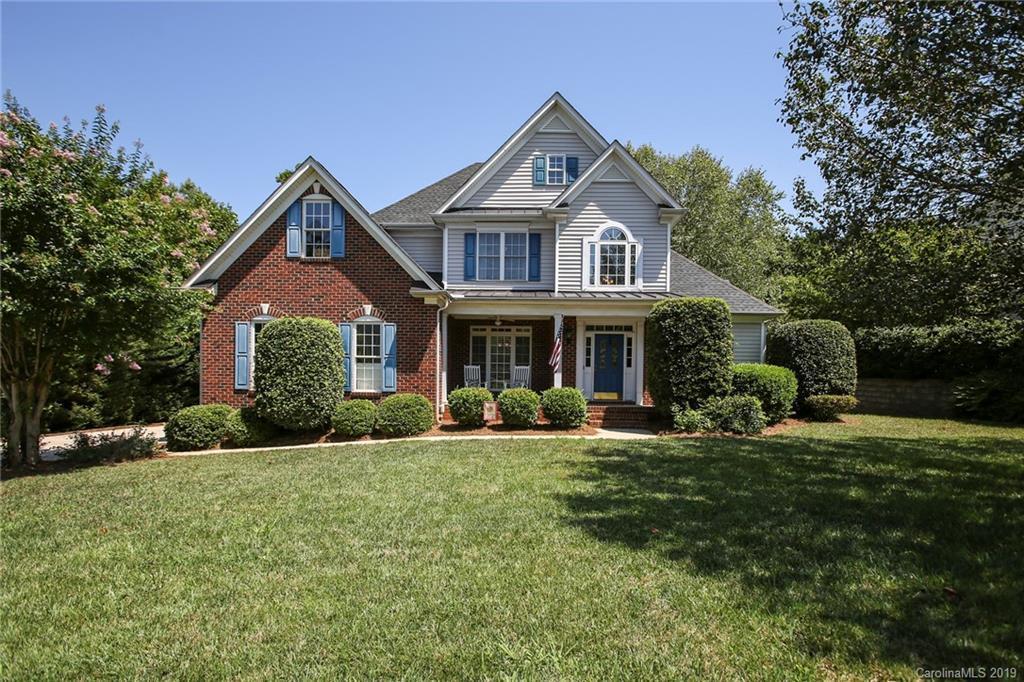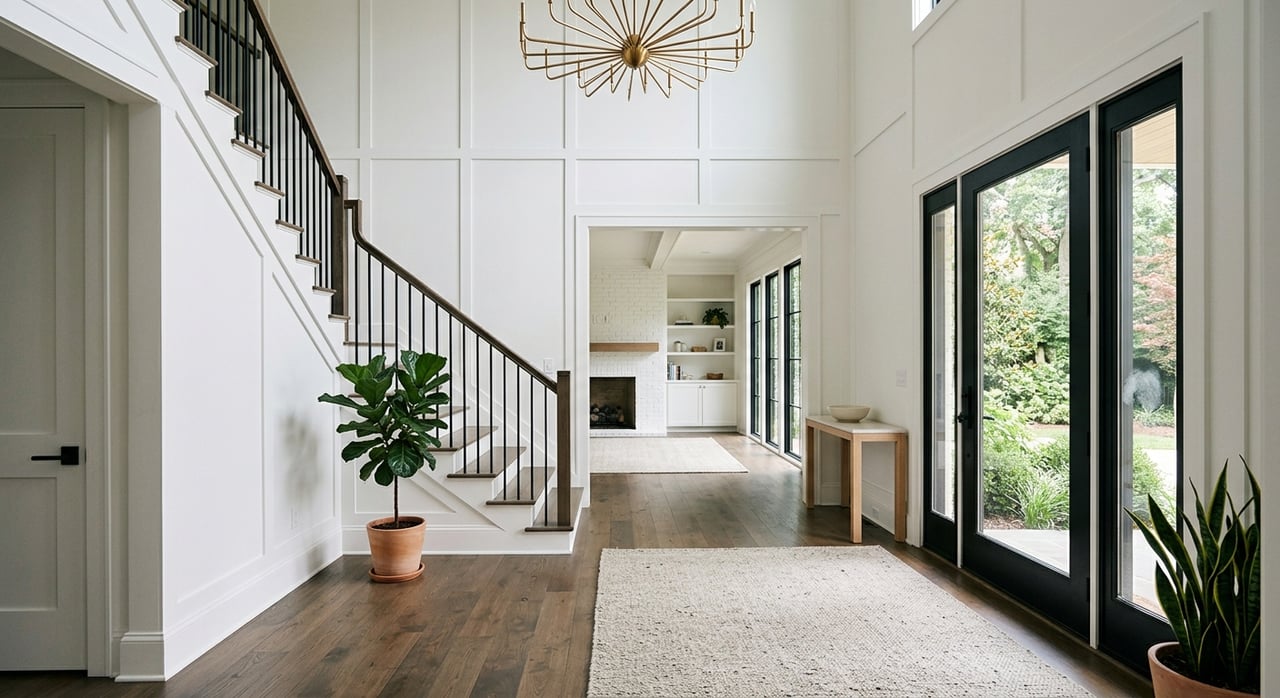
Wondering if it’s finally time to trade your current home for one with more breathing room in Conover? You’re not alone. Many move-up buyers reach a point where an extra bedroom, a bonus room, or simply more square footage starts to matter a lot more day to day. The good news is that Conover offers larger-home options, but the search takes planning, realistic budgeting, and a clear timing strategy. Let’s dive in.
Why Move-Up Buyers Look to Conover
Conover is a relatively small market, which can make a move-up search feel more personal and more competitive at the same time. The city had an estimated 8,760 residents in 2024, with 69.0% owner occupancy, according to the U.S. Census Bureau’s Conover quick facts. In a market like this, larger homes exist, but they are not always available in big numbers.
Household size also helps explain why buyers often start looking for more room. The Census reports 2.58 persons per household in Conover, compared with 2.43 in Catawba County. That may not sound like a huge difference, but it helps show why flexible space, extra bedrooms, and better storage often rise to the top of the wish list.
What Larger Homes Cost in Conover
If you are moving up in Conover, it helps to know that “larger home” can mean very different things depending on the property. Realtor.com’s Conover 4-bedroom search page showed 46 current 4-bedroom homes, which means options are available but not abundant.
That same snapshot shows a broad price range. One example was a new-construction 4-bedroom, 3.5-bath home listed at $334,000 with 2,565 square feet, while another current listing example reached $949,000 for a 4-bedroom, 4-bath, 3,200-square-foot home. For you, that means a move-up purchase could be a manageable next step or a major jump in cost, depending on the features, location, and size you want.
Recent market snapshots also suggest that Conover remains active. Realtor.com showed 131 active listings, a median listing home price of $336.89K, and 55 median days on market. These figures should be treated as directional, not interchangeable with other sites, but they still help paint a useful picture of the market pace.
How Much Bigger Is Realistic?
Before you start touring homes, define what “more space” really means for your household. For some buyers, moving up means adding one bedroom and a second living area. For others, it means a home office, a larger lot, a guest suite, or room that can adapt over time.
In Conover, a realistic move-up target may be one of these:
- A larger 3-bedroom with more flexible living space
- A true 4-bedroom home
- A newer-construction home with a more efficient layout
- A home in a nearby town if you want more square footage for the money
Your best fit depends on your budget, commute preferences, and how long you plan to stay in the next home. Sometimes the smartest upgrade is not the biggest house. It is the one that solves the space problems you actually live with every day.
Should You Expand Beyond Conover?
If inventory feels tight in Conover, widening your search radius may open up more options. Realtor.com’s nearby city listings on the Conover page showed homes in Hickory at $343,795, Newton at $299,900, Maiden at $365,999, Sherrills Ford at $457,427, and Davidson at $749,500. That spread shows how quickly pricing can change from one nearby area to another.
For move-up buyers, this is where trade-offs become important. You may be able to get more house in one area, a different lot size in another, or a shorter commute in a third. Square footage matters, but so do daily routines, travel time, and the type of setting you want.
Start With Your Equity Position
One of the biggest move-up questions is how much equity you need before buying a larger home. The Consumer Financial Protection Bureau defines home equity as the amount your property is currently worth minus your existing mortgage balance. That number can play a major role in how much cash you have available for your next purchase.
If you are considering tapping equity, be careful and compare options closely. The CFPB explains that a home equity loan uses your home as collateral, usually has a fixed rate, and that failure to repay can lead to foreclosure. It also notes that you should compare more than just the monthly payment.
For many move-up buyers, the goal is not simply to access equity. It is to understand how that equity fits into a full plan that includes your down payment, reserves, moving costs, and any overlap between homes.
Budget Beyond the Mortgage Payment
It is easy to focus on the monthly payment and forget the rest. The CFPB’s homebuying preparation guidance recommends budgeting for:
- Principal and interest
- Mortgage insurance, if applicable
- Property taxes
- Homeowners insurance
- HOA dues, if applicable
- Maintenance and utilities
- Closing costs
- Moving costs
- New furniture
- Repairs and home improvements
That same CFPB guidance says closing costs typically run 2% to 5% of the purchase price. On a larger home, that can add up quickly. If you are moving into a property with more rooms, more systems, and more square footage, your long-term maintenance and utility costs may also rise.
Why Rates Still Matter
Even if you are buying with equity from your current home, mortgage rates still shape affordability. Freddie Mac reported an average 6.37% for a 30-year fixed-rate mortgage and 5.74% for a 15-year fixed-rate mortgage on April 9, 2026. Freddie Mac also notes that even a small rate difference can meaningfully affect payments over the life of the loan.
For a move-up buyer, this matters in two ways. First, rates affect how much house fits comfortably in your budget. Second, they can influence whether it makes more sense to buy now, adjust your price range, or spend more time preparing.
Sell First or Buy First?
This is one of the most common move-up questions, and there is no one-size-fits-all answer. Still, the CFPB says that if you want to move, you normally try to sell your home first before buying another one. That approach can help you understand your available proceeds and reduce uncertainty.
In Conover, that can be especially helpful because recent market data points to a process that may take time. Realtor.com showed 55 median days on market, while Redfin reported 94 days on market for February 2026 sales, and Zillow showed 79 for-sale homes and 22 new listings at the end of March 2026. These figures use different methods, but together they suggest planning for a multi-month process rather than expecting a same-week swap.
Protect Yourself During the Offer Process
As you move from planning to making offers, your contract terms matter. The CFPB recommends making purchase offers contingent on financing and a satisfactory inspection. That gives you protection if your loan falls through or if the inspection reveals serious issues.
For a larger home, inspections can be even more important because there is often more to evaluate. More square footage can mean more windows, more roofing, larger HVAC needs, and additional systems or spaces that need careful review.
A Smart Move-Up Checklist
To make your search more focused, start with a simple plan:
- Estimate your equity by comparing your home’s likely value with your remaining mortgage balance.
- Review your full budget, including closing costs, moving expenses, repairs, and reserves.
- Talk with a lender early so you understand your borrowing range and payment options.
- Define your must-haves such as bedroom count, flexible space, lot size, or garage needs.
- Decide on your search area by comparing Conover with nearby towns if inventory is limited.
- Build a timing strategy for whether to list first, buy first, or prepare and wait.
- Write protected offers with financing and inspection contingencies when appropriate.
What a Good Move-Up Decision Looks Like
A successful move-up purchase is not just about getting a bigger house. It is about finding a home that fits your life better without stretching your finances too far or creating avoidable stress. In Conover, that often means balancing space, price, inventory, and timing.
If you are weighing whether to stay in Conover, search nearby, or start by selling your current home, a local plan can make the next step much clearer. When you are ready for guidance on buying, selling, or coordinating both sides of the move, connect with Garrett Osborne - Main Site for locally informed, full-service support.
FAQs
How much equity do you need to move up to a larger home in Conover?
- The amount varies, but the CFPB defines equity as your home’s current value minus your mortgage balance, and that equity often helps cover your down payment, closing costs, and reserves.
How much should you budget for closing costs on a move-up home in Conover?
- The CFPB says closing costs typically range from 2% to 5% of the purchase price, and you should also budget for moving costs, repairs, utilities, and possible overlap between homes.
Should you sell your current home before buying a larger home in Conover?
- The CFPB says you normally try to sell first before buying another home, since that can give you a clearer picture of your proceeds and budget.
Are there enough 4-bedroom homes available in Conover for move-up buyers?
- Realtor.com showed 46 current 4-bedroom homes in Conover, which means options exist, but inventory may still feel limited depending on your price range and timing.
Should you search outside Conover for a larger home?
- If you want more choices, expanding your search to nearby areas like Hickory, Newton, or Maiden may help, since nearby pricing and inventory can vary meaningfully.
How long can it take to buy a larger home in Conover?
- Recent public market snapshots suggest you should plan for a multi-month process, with Realtor.com showing 55 median days on market and Redfin reporting 94 days on market for February 2026 sales.