You see “lake access” on a Lake James listing and it sounds perfect. But is it a private dock, a shared slip, or just a nearby public ramp? When you are spending serious money on a second home or an investment property, that difference matters to your lifestyle and your bottom line. In this guide, you will learn how deeded, community, and public access work around Lake James in 28761, what to verify before you buy, and how access type can affect value and rentals. Let’s dive in.
Lake James access basics
Lake James is a managed reservoir, and shoreline use is controlled by a reservoir operator. In this region, Duke Energy commonly oversees shoreline management, permits, and water levels. Public recreation areas such as Lake James State Park offer open access, while many neighborhoods rely on deed language or HOA rules for private use.
At the property level, three layers often overlap: your private deed or easement, any HOA rules, and the reservoir operator and state regulations. Each layer can enable or limit what you can actually do at the water. Understanding all three is the key to a smooth purchase.
Deeded access: what it means
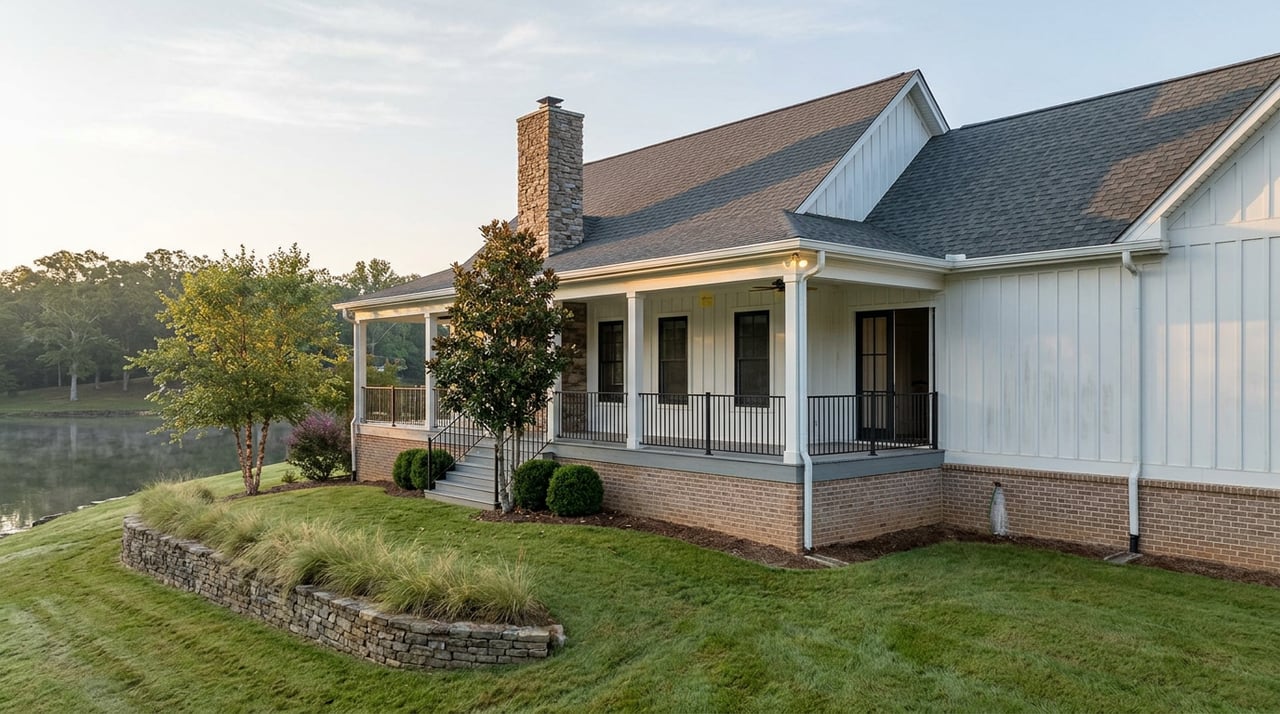
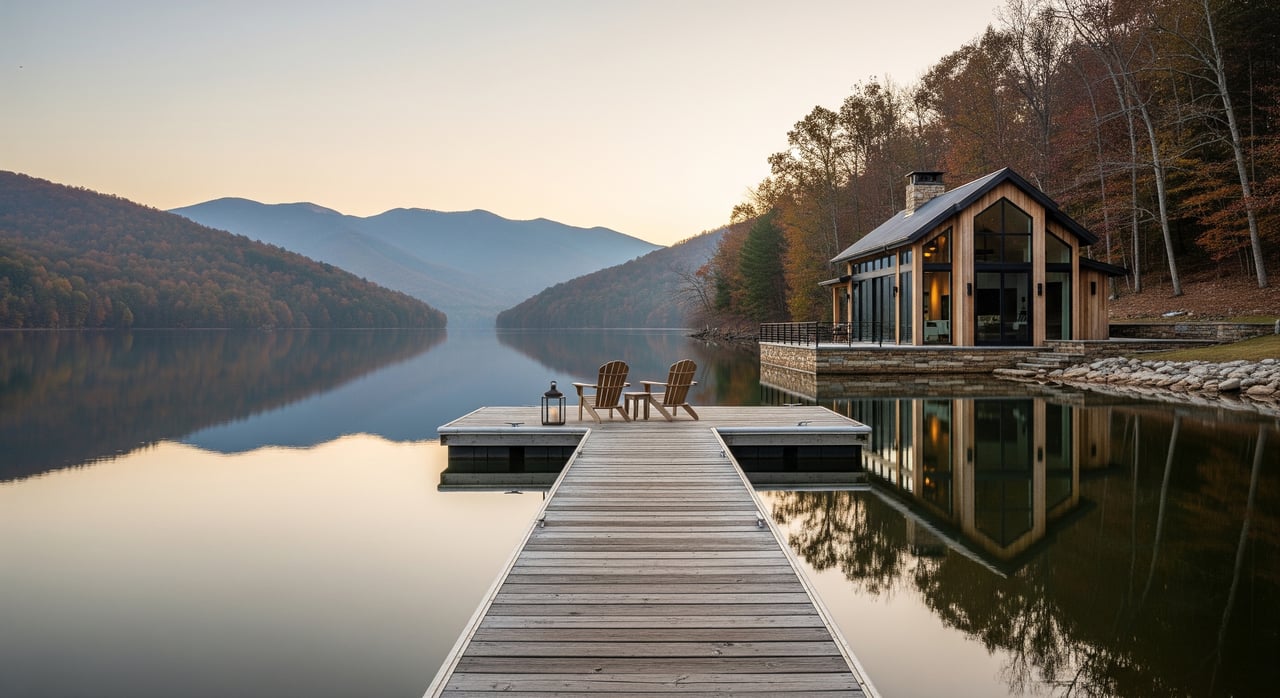
Deeded access means your parcel is recorded with explicit rights to use a defined part of the shoreline, a private dock or slip, or an access easement that runs with the land. These rights should be spelled out in the deed or plat.
What to confirm for deeded access:
- Read the exact deed or plat language. Look for exclusive vs non‑exclusive rights and any metes and bounds descriptions.
- Verify whether the rights are attached to the lot or assigned to a specific owner and if they can be transferred separately.
- Clarify what “access” includes. Rights may cover walking to the water but not the right to build or keep a dock.
Typical benefits:
- Highest exclusivity and convenience for boating and docking.
- Strong buyer appeal and often the largest price premium among access types.
Typical limitations:
- Shoreline use can still be subject to reservoir operator permits and state or federal approvals.
- Ambiguous deed language can create disputes about what is included.
Community or HOA access: shared but managed
Community access means an HOA owns or controls the shoreline amenities for members. This can include community docks, assigned or lottery‑based slips, private ramps, beaches, parking, and sometimes a small marina.
What to confirm in HOA communities:
- HOA declaration and CC&Rs, bylaws, and rules. Review boat and slip policies, guest rules, and any rental limits.
- Fees, slip costs or transfer fees, maintenance obligations, and reserve funding.
- How slips are assigned, whether there is a waiting list, and seasonal policies.
Typical benefits:
- Lower individual maintenance burden for docks and ramps.
- Predictable rules and management for shared facilities.
Typical limitations:
- Usage restrictions such as quiet hours, slip rules, and guest access limits.
- Special assessments and budget shortfalls that can raise costs or reduce amenity quality.
Public access: open but not exclusive
Public access includes state or local parks, boat ramps, and day‑use areas. Around Lake James, public launches and recreation areas are available to everyone.
What to confirm with public access:
- Location of the nearest launch and how far it is from your property.
- Parking capacity and seasonal crowd patterns.
Typical benefits:
- No HOA fees or private maintenance costs.
- Predictable hours and rules with public enforcement.
Typical limitations:
- Peak‑day crowding, which can reduce convenience.
- No private shore rights or docking privileges.
Value and lifestyle: what changes by access type
Deeded access usually carries the largest price premium because it guarantees privacy and predictable docking. It also fits owners who want on‑demand boating and late‑night returns. You take on more responsibility for upkeep and potential liability, which can affect insurance costs.
Community access adds value compared to properties with no private access. It suits owners who want a social, managed lake experience and amenities without sole responsibility. The tradeoff is rules and restrictions that can limit spontaneous use or guest privileges. HOA financial health and governance matter to long‑term value.
Public access nearby typically lowers acquisition cost. This option suits buyers who mainly want recreational access and can handle peak‑season crowds. It often appeals to investors who prefer lower purchase price points and fewer maintenance variables.
Resale matters too. Clear deeded rights and well‑run community access often broaden your buyer pool. Properties with ambiguous or limited access can be harder to sell.
Due diligence checklist for 28761 buyers
Documents to obtain:
- Title commitment and recorded deed(s), including any shoreline access or dock rights in the chain of title.
- Recorded plats and easements that reference access, dock rights, riparian rights, or shoreline use.
- Full HOA package: CC&Rs, bylaws, rules, current budget, reserve study, last 12 months of meeting minutes, insurance certificates, and any litigation disclosures.
- Reservoir operator records covering shoreline leases, easements, and dock or boathouse permits.
- Copies of any dock, pier, or boathouse permits and inspections.
- Current boundary or ALTA survey showing the lot to the waterline and any encroachments.
- Title insurance exceptions and any recorded liens or judgments affecting the property or HOA.
Verification steps and contacts:
- Confirm deed language with a title company or local real estate attorney. Clarify whether rights are exclusive, appurtenant, or permissive.
- Verify physical access on site. Check slope, path condition, parking, and any obstacles like wetlands or private fences.
- Confirm dockability. Ask a local mariner or surveyor about water depth and mooring feasibility. Review reservoir operator rules for dock placement and size.
- Contact the reservoir operator for shoreline easements and required permits or lease terms for structures.
- Check county planning and building offices for septic, setbacks, and shoreline improvement permits.
- Ask the HOA or managing agent about slip assignment, guest rules, rental limits, past assessments, and upcoming capital projects.
Hire professionals:
- Local real estate attorney for deed, easement, and HOA interpretation.
- Licensed surveyor for a current boundary and shoreline survey.
- Marine or land use surveyor for water depth and mooring assessments.
- Title company for a full title search and insurance.
HOA details that matter on Lake James
When you are evaluating a community with shared access, read the fine print:
- CC&Rs and rules: boat type and size limits, mooring rules, seasonal policies, and guest usage.
- Slip allocation: reserved, first‑come, lottery, or fee‑based assignment. Ask how long the waiting list is.
- Budget strength: current budget, reserves, and any reserve study for docks, ramps, and shoreline stabilization.
- Meeting minutes: look for disputes, rule changes, planned projects, or pending litigation.
- Insurance coverage: HOA liability and fidelity bond for common assets. Confirm your personal liability and dock coverage needs.
- Architectural review: approval process and timelines for shoreline improvements.
Shoreline management and permits
Even with deeded or community access, shoreline use often sits under reservoir operator easements and state rules. You may need permits for docks, boathouses, or riprap. Local zoning can regulate setbacks, impervious cover, and access roads. Confirm requirements with the reservoir operator, county planning staff, and the appropriate state agencies before you assume a dock or expansion is possible.
Investor and rental notes
If you plan to rent, access certainty drives demand and nightly rates. Deeded or well‑run community access tends to attract more guests, but many HOAs set limits on short‑term rentals or guest use of facilities. Build those rules into your underwriting.
Costs also differ. Deeded shoreline can raise insurance and maintenance exposure. Community access introduces steady HOA dues, with the possibility of special assessments for dock repairs, dredging, or stabilization. Highly specific or non‑transferable rights can limit your future buyer pool, which may impact exit timing.
Red flags that warrant caution
- Vague deed language, especially when access is assigned to a person rather than the lot.
- No recorded easement for a path that crosses a neighbor’s land.
- HOA with depleted reserves, frequent special assessments, or shoreline disputes.
- Shoreline easements that prohibit private docks or structures altogether.
- Physical barriers such as steep banks or wetlands that make the recorded access impractical.
- Rental restrictions that conflict with your investment plan.
How Osborne Real Estate Group helps
You should not have to decode deeds, easements, and HOA rules on your own. Our team coordinates the moving parts so you can buy with confidence. We help you source the right documents, line up local attorneys, title companies, and surveyors, and pressure‑test access claims with on‑the‑ground checks.
We work across Lake James and nearby lake markets, and we understand how access type affects price and resale. Whether you want private docking or just convenient public launch options, we tailor the search to your goals and budget.
Ready to compare properties and verify access the right way? Reach out to our team at Garrett Osborne - Main Site and let’s map your next steps.
FAQs
What does deeded lake access include at Lake James?
- It typically means recorded rights to use a defined shoreline area, a dock or slip, or an access easement tied to the lot. Always verify the exact deed or plat language.
How does HOA lake access work in McDowell County?
- An HOA controls shared amenities like docks and ramps for members under CC&Rs and rules. Check slip assignment policies, fees, reserves, and rental and guest rules.
Is public access enough if I plan to boat often?
- Public launches are reliable but can be crowded on peak days. If you want on‑demand docking and late returns, deeded or community access is usually more convenient.
Who regulates docks and shoreline structures on Lake James?
- The reservoir operator manages shoreline permits and easements, and state and local authorities may require additional approvals. Confirm all permits before you buy.
What documents should I request before making an offer?
- Ask for the deed, plats, recorded easements, title commitment, survey, any dock permits, and the full HOA package if applicable, including budgets and meeting minutes.
Do HOA rental rules affect investment returns?
- Yes. Many HOAs limit short‑term rentals or guest access to docks. Build those restrictions into your revenue assumptions and purchase criteria.