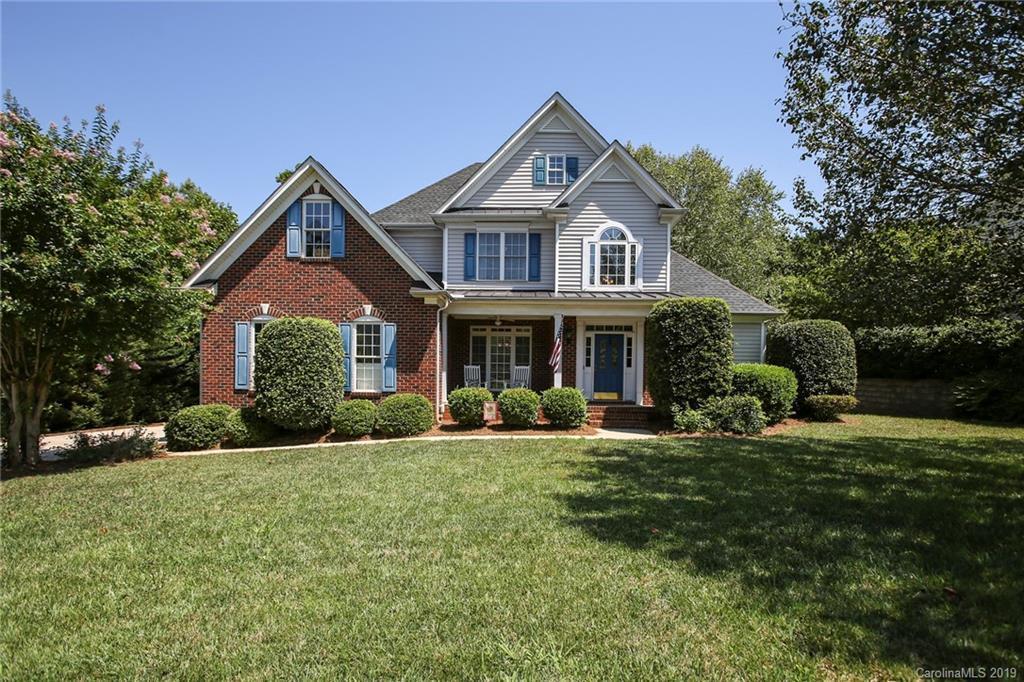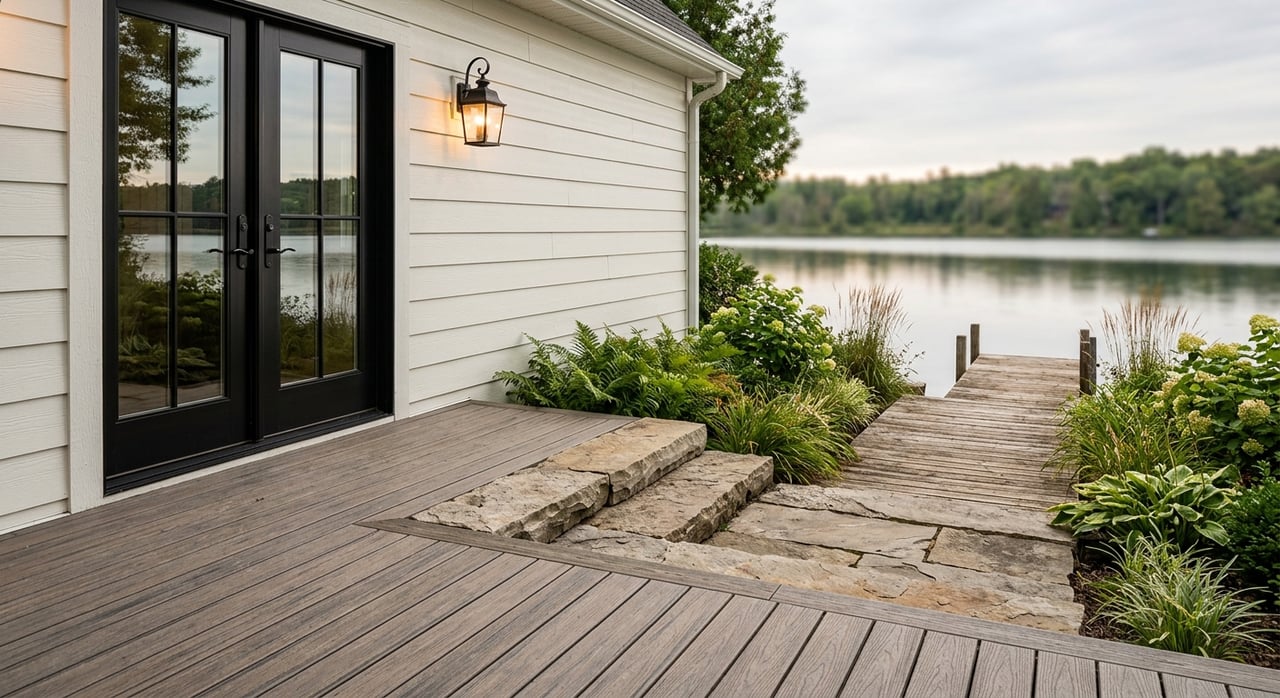
Dreaming about mornings on Lake Hickory is the easy part. The harder question is whether you want a place that supports quick weekend escapes or a home that works for everyday life year-round. If you are weighing a second home against a full-time move in Lakeland and the Lake Hickory area, this guide will help you think through lifestyle, costs, maintenance, and local due diligence so you can make a smart decision. Let’s dive in.
Why Lake Hickory Feels Different
Lake Hickory is not just a scenic backdrop. It is part of Duke Energy’s Catawba-Wateree hydroelectric system, which supports power generation, recreation, environmental resources, and municipal water supply.
That matters because this is a managed lake. Water levels can vary by location and can change quickly, especially during high inflow or high-water events. If you are buying on the water, that can affect dock use, shoreline conditions, and how the property functions from one season to the next.
For many buyers, that reality does not reduce the appeal. It simply means lake ownership comes with a different level of awareness than a typical inland home.
Second Home Lifestyle on Lake Hickory
A second home often works best when you want Lake Hickory to be a retreat. You may picture long weekends, summer days on the water, and a place to step away without fully relocating your daily routine.
That setup can be a strong fit if you plan to occupy the home part of the year and keep control over how it is used. Fannie Mae’s second-home criteria require borrower occupancy for some portion of the year, year-round suitability, exclusive control by the borrower, and no timeshare or rental-property arrangement.
In simple terms, a second home is not just a house you occasionally visit. Your financing category can change if your long-term plan involves frequent rentals or outside management controlling occupancy.
When a second home makes sense
A second home may fit you well if:
- You want a personal getaway for part of the year
- You do not need the property to support your day-to-day routine full time
- You are comfortable checking on the home when you are away
- You understand that lakefront maintenance still happens even when the house is sitting empty
The biggest question is often not how beautiful the property is. It is how comfortable you are with part-time occupancy and who handles issues when you are not there.
Full-Time Living on Lake Hickory
A full-time residence makes more sense when you want the lake to be your everyday base. That changes what matters in your search.
Instead of focusing only on views and recreation, you will likely pay more attention to utilities, maintenance, shoreline conditions, taxes, and access to services. A lake home can be beautiful on Saturday afternoon, but full-time life depends on how well it works on a rainy Tuesday too.
The Consumer Financial Protection Bureau notes that homeowners need to budget for more than the mortgage. Property taxes, homeowners insurance, utilities, maintenance, and possible HOA fees all shape the true monthly cost.
When full-time living makes sense
A full-time move may be the better fit if:
- You want Lake Hickory to function as your primary home base
- You prefer to enjoy the lake in every season, not just on weekends
- You want to stay close to ongoing maintenance and property needs
- You are ready to budget for the full cost of ownership year-round
For many buyers relocating to the Hickory area, this option can offer both the lake setting they want and a practical home for daily life.
Maintenance Is a Bigger Deal on the Lake
One of the clearest differences between a second home and a full-time home is maintenance. On Lake Hickory, that includes more than the house itself.
Because Duke-managed reservoir levels can change, shoreline awareness matters. Dock hardware, erosion control, and storm response can become more important than they would be at a non-lake property.
Duke also points property owners to shoreline management and shoreline activity permit information. That is a reminder that waterfront improvements are not always simple weekend projects.
What to think about before you buy
Ask yourself:
- How often will the home sit empty?
- Who will notice a problem quickly?
- Are you prepared for ongoing dock and shoreline attention?
- Do you want a property that needs active oversight, or something easier to lock and leave?
If you are shopping for a second home, these questions matter even more. A small issue can grow quickly when nobody is there to catch it.
Water Access and Recreation Can Vary
Lake living is not the same in every cove or shoreline section. Your boating experience can vary depending on the location of the home, nearby access points, and local conditions.
North Carolina Wildlife notes that no-wake zones are only enforceable when they are formally established and marked. For you as a buyer, that means one area of the lake may feel different from another in terms of boating activity and pace.
Lake Hickory also has strong recreation appeal. Duke Energy’s upgraded Wittenburg Access Area includes a swim beach, changing area, restrooms, outdoor showers, picnic shelters, and a concession stand, with beach operations running six days a week between Memorial Day and Labor Day and Wednesdays closed for maintenance.
That kind of amenity supports the case for a fun second-home lifestyle. It also adds value for full-time owners who want easy access to seasonal recreation close to home.
Utilities Matter More Than Buyers Expect
Not every lakefront property functions the same behind the scenes. In Catawba County, some parcels rely on municipal water and sewer, while others may need well or septic approvals through Environmental Health.
This can be a manageable detail for any buyer, but it tends to matter more when you plan to live in the home full time. A delay, repair, or system issue is usually more disruptive when the property is your primary residence instead of your occasional retreat.
Utility questions to ask early
Before you move too far into a purchase, confirm:
- Whether the home is on municipal water and sewer
- Whether the property relies on a well or septic system
- Which authority approves future work or repairs
- Whether the current setup fits how you plan to use the home
These practical details help shape both convenience and long-term cost.
Budgeting for the Real Cost of Ownership
Lakefront budgeting should go beyond the list price. Two homes that seem similar can carry very different annual costs.
Catawba County’s 2025 county tax rate is $0.3985 per $100 of valuation. The county also notes that each property is subject to either municipality tax or fire-district tax, which means neighboring homes can have different tax bills based on where they sit.
That is before you add homeowners insurance, utilities, maintenance, and possible HOA fees. If your down payment is under 20%, the CFPB also notes that mortgage insurance is typically required.
Budget items to compare
As you evaluate properties, look at:
- Mortgage principal and interest
- County and local tax obligations
- Homeowners insurance
- Possible flood insurance
- Utilities
- HOA fees, if any
- Routine maintenance and repairs
- Dock, shoreline, or exterior upkeep
A second home can feel affordable at first glance, then look very different once all carrying costs are added. A full-time home needs the same review, but you may be more willing to accept those costs if the property supports your everyday lifestyle.
Flood Zone Checks Should Happen Early
Flood insurance is one of the easiest items to overlook early and one of the most important to verify. FEMA says National Flood Insurance Program requirements apply in Special Flood Hazard Areas.
Flood insurance is required for homes in a Special Flood Hazard Area when there is a government-backed mortgage. Even if a lake home is not in a high-risk zone, checking the flood map before you make an offer is a smart step.
This is not just a paperwork issue. It can affect your monthly budget, your financing plan, and your comfort with the property long term.
Questions That Clarify the Right Fit
If you are still torn between a second home and full-time living, narrow the decision with a few honest questions.
Ask yourself these first
- Do you want a weekend retreat or a true primary residence?
- How often will the home be vacant?
- Who will handle urgent maintenance when you are away?
- Will your financing still fit if your use of the property changes?
- Are you comfortable with the upkeep that comes with a managed lake environment?
- Have you confirmed taxes, utilities, and flood-zone status?
Most buyers find the answer becomes clearer once they stop thinking only about the view and start thinking about daily use. The right choice is the one that fits how you actually plan to live.
If you are exploring Lake Hickory in Lakeland or elsewhere in Catawba County, local guidance can make this process much easier. The Osborne team understands the practical side of lakefront buying, from how properties differ parcel to parcel to what questions are worth asking before you commit. When you are ready to compare options and move with confidence, connect with Garrett Osborne - Main Site.
FAQs
Is Lake Hickory a good fit for a second home?
- Lake Hickory can be a strong second-home choice if you want part-time personal use, understand financing rules for second homes, and are prepared for maintenance while the property is vacant.
Is full-time living on Lake Hickory different from weekend use?
- Yes. Full-time living usually puts more focus on utilities, taxes, insurance, maintenance, and reliable day-to-day function beyond recreation and views.
Do Lake Hickory water levels affect waterfront property use?
- Yes. Because Lake Hickory is part of Duke Energy’s managed Catawba-Wateree system, water levels can vary by location and can change quickly during certain conditions.
Do Lake Hickory homes always have municipal water and sewer?
- No. In Catawba County, some lakefront parcels have municipal water and sewer, while others may rely on well or septic systems and related approvals.
Do Lake Hickory buyers need to check flood zones before buying?
- Yes. Flood-zone status can affect insurance requirements, financing, and monthly ownership costs, so it is smart to verify it early in the process.
Do property taxes vary for Lake Hickory homes in Catawba County?
- Yes. In addition to the county tax rate, properties are also subject to either municipality tax or fire-district tax, which can change the total annual bill.